Divisadero | American bigger canyon

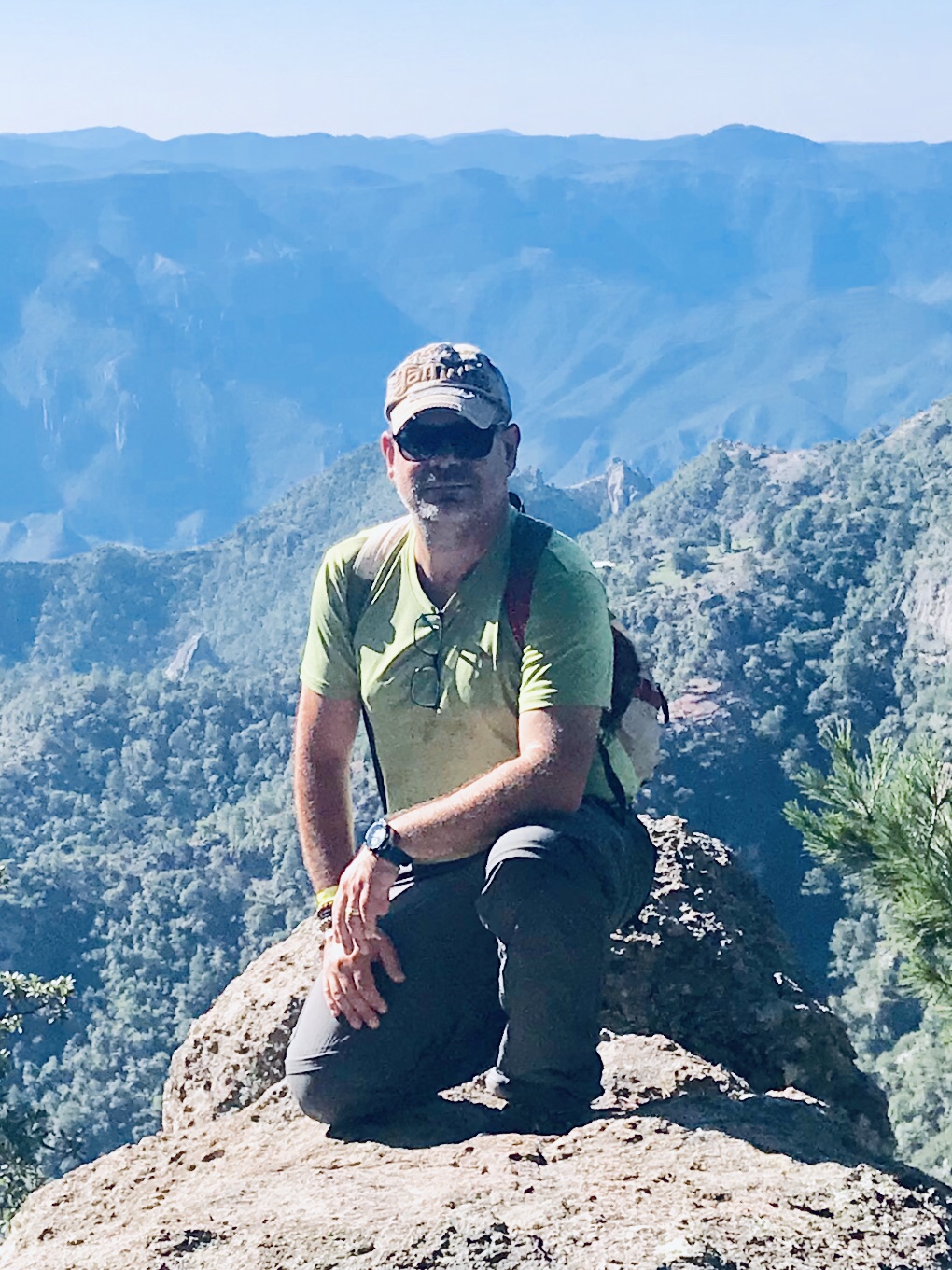
Divisadero, a train stop without a village, is your only chance to see into the miraculous canyon if you’re just doing the train ride. All trains halt here for 20 minutes, giving you enough time to jump out, gawk, snap some pics at the viewpoint and hop back on.

You can just discern a tiny fragment of the Río Urique at the bottom of the actual Barrancas del Cobre (Copper Canyon). Ration your time carefully, as the station is also a souvenir market and spectacular food court. Gorditas (masa cakes, some made with blue corn), burritos and chiles rellenos (chilies stuffed with meat or cheese), cooked up in makeshift oil-drum stoves, are worth the stop alone. Gobble your food up quickly – the conductors aren’t supposed to allow food back onto the train. All this, together with the nearby adventure park 1.5km south, means a stay of longer than 20 minutes is a great idea. I planned to stay a couple of days.

What I am doing

  • Via Ferrata
  • Tirolesas
  • Hiking

Where I am sleeping

Hotel Divisadero Barrancas.Right by the canyon viewpoint, rooms are modern with a logcabin feel, though are a bit pricey for the digs. The original units lack views (what were they thinking?), but the newer rooms (Nos 35 to 52) have astonishing vistas. At the very least, all guests can enjoy the views from the picture windows in the restaurant and lounge.

Where I am eating

Mercado Divisidero. At the foot of the train station sits the Divisidero market with stall-upon-stall of eateries selling mostly tacos, burritos and gorditas (stuffed thick tortillas) filled with a huge variety of homemade goodness like grilled steak, seasoned chicken, nopales (cactus) and even chiles rellenos (chilies stuffed with meat or cheese).
Creel | Tarahumara region

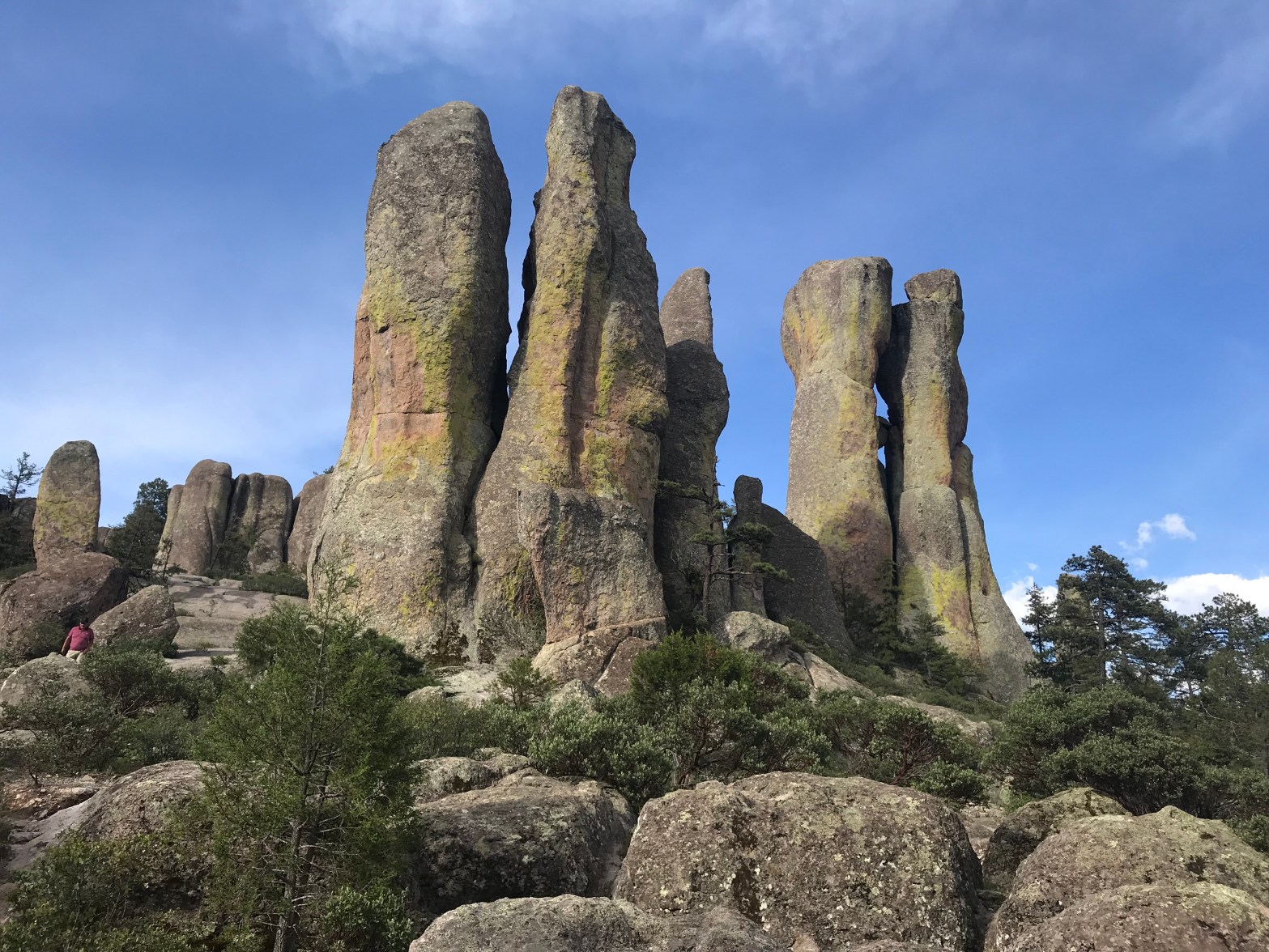
The Copper Canyon’s main tourism centre, Creel is actually no more than a lowkey highland town strung out along the rail- way line. It’s a very likable place, surrounded by pine forests and interesting rock formations and it boasts several good hotels and restaurants.

The Tarahumara, in their multihued dress, are commonly seen about town, and there’s a consistent tourist presence here, mainly in the form of tour groups.

The area around Creel is rich in natural wonders, from waterfalls and hot springs to surreal rock formations and expansive parklands, all perfect for a day’s hike, ride or drive. Local guides offer various tours, or you can go solo on a rented bicycle, scooter or 4WD.

Creel can be very cold in winter, even snowy, and it’s none too warm at night in autumn either. In summer, the alpine air is a welcome relief from Mexico’s coastal lowland and desert heat.

What I am doing

  • Rent a scooter and reach the bottom of the Copper Canyon with my own wheels.
  • Ride a bicycle until Rekowata hot springs.
  • Visit Cusárare village and waterfall, Lago Arareko and the Valley of the Frogs and Mushrooms.
  • Cascada de Basaseachi
  • Visit Tarahumara community

Where I am Sleeping

La Troje de Adobe inn. Reminiscent of a Swiss ski lodge, this three-story inn has just seven rooms. All have a upscale boho feel, with Tarahumara designs woven throughout, handcrafted furnishings and slate tile bathrooms. Several of the rooms have mountain views too. The affable owners – one a retired anthropologist – have excellent recommendations on area sights and guides.

La Troje de Adobe Cafe downstairs is a homey cafe serves up all manner of coffee drinks, Italian so- das and milkshakes to local intellectuals and visiting hipsters. Desserts and savory snacks, made with organic and local ingredients, also offered.

Where I am eating

La Cabaña. This Catalan-owned restaurant is one of the fancier places in town. As well as good breakfasts (M$60 to M$100), La Cabaña does a mean tampiqueña (steak accompanied by several side orders), not to mention tasty salads, grills and changing daily specials such as lo- cal trout stuffed with shrimp.

Chihuahua | Pancho Villa e la Revolution

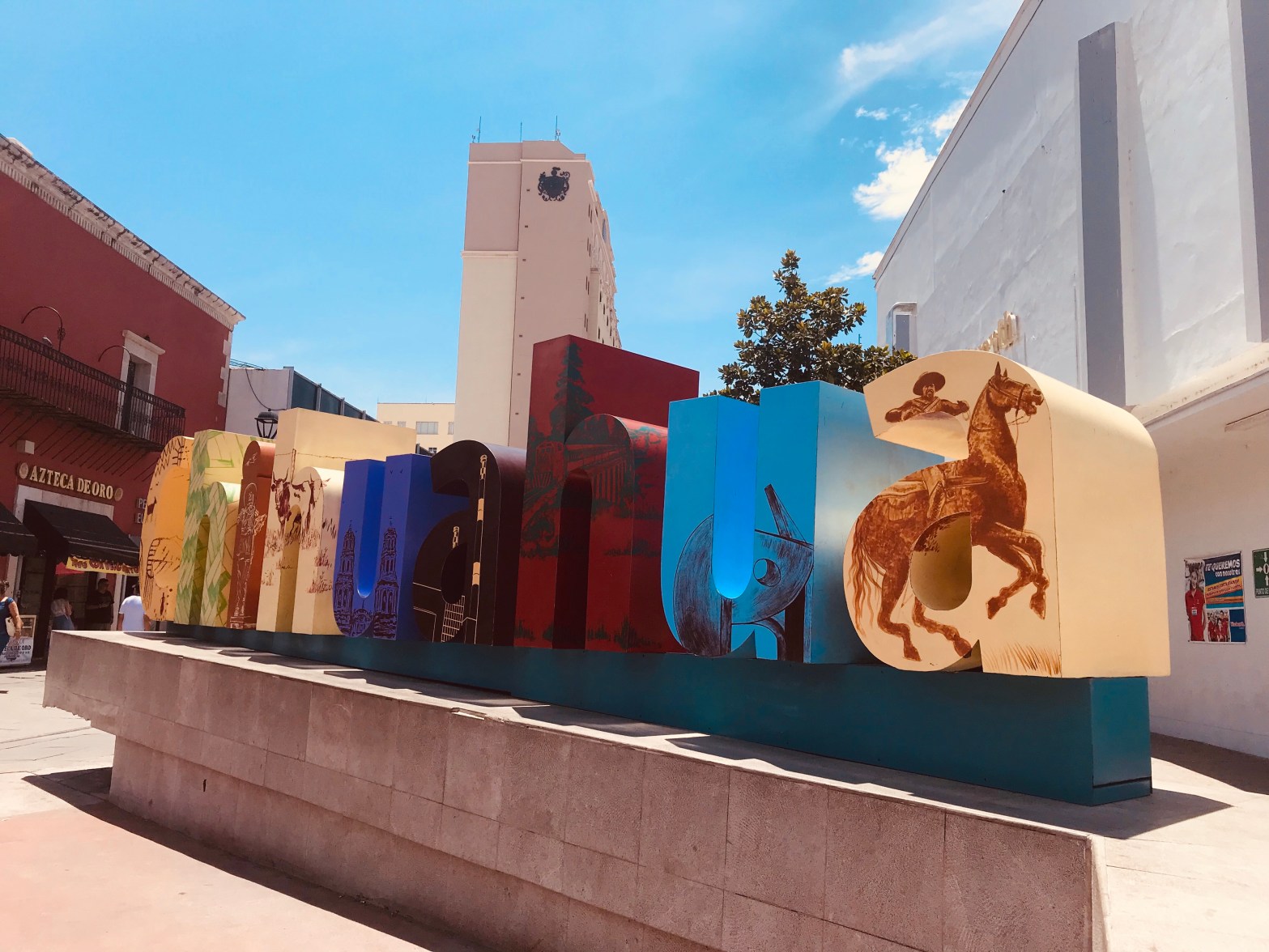
Chihuahua, capital of Mexico’s biggest state, is a quirky but pleasant combination of norteño character, revolutionary history and bohemian hangouts.

I am here because Many for an overnight stop before riding the Ferrocarril Chihuahua Pacífico, but Chihuahua is worth more of your time. The city centre combines grand colonial buildings, several beautiful plazas, pedestrianised lanes and a healthy crop of restaurants, cafes and bars. Its museums bear witness to the key episodes of Mexi- can history that unfolded here. In short, it’s an intriguing city with a strong sense of identity.

Founded in 1709, Chihuahua soon became the key city of the Nueva España’s Provincias Internas (stretching from California to Texas and Sinaloa to Coahuila). The Spanish brought pro-independence rebels, includ- ing Miguel Hidalgo, to be condemned and shot here in 1811. The Porfirio Díaz regime brought railways and helped consolidate the wealth of the area’s huge cattle fiefdoms. Luis Terrazas, one-time Chihuahua state governor, held lands nearly the size of Belgium: ‘I am not from Chihuahua, Chihuahua is mine,’ he once said.

After Pancho Villa’s forces took Chihuahua in 1913 during the Mexican Revolution, Villa established his headquarters here, arranged various civic projects and soon acquired the status of local hero. Today the city has one of Mexico’s highest living standards, with maquiladora (parts factory) jobs contributing significantly to this.

  • What I am doing

    • Visit Casa Chihuahua
    • Chihuahua Barbaro tour including the Pancho Villa museum and Quinta Gameros.
    • Grutas de Nombre de Dios

    Where I am sleeping

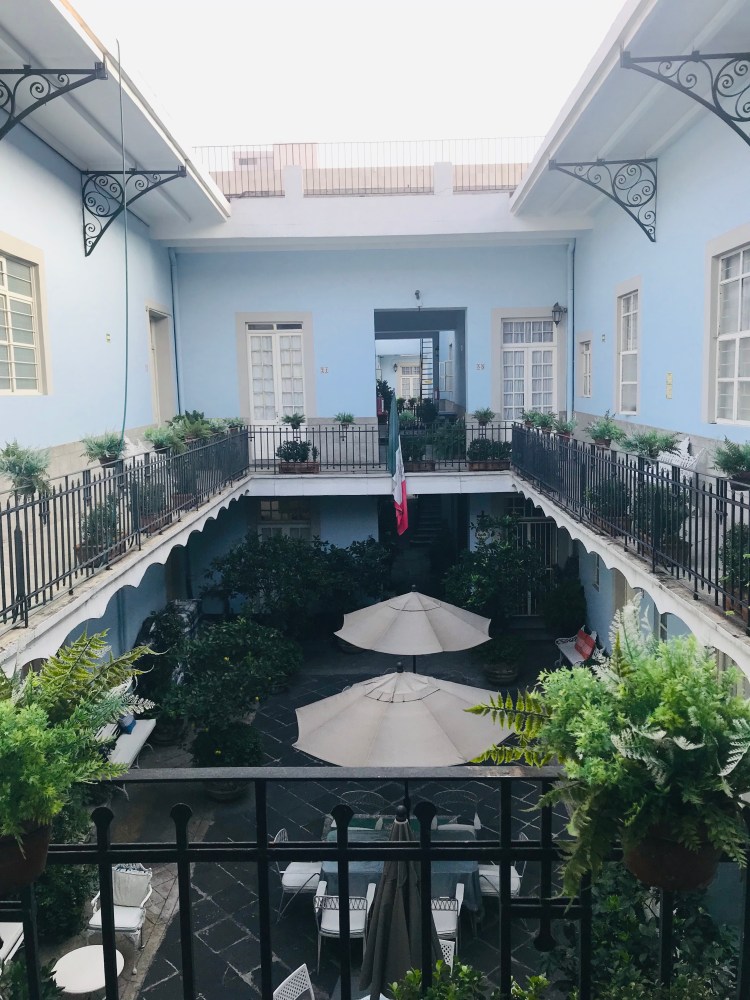
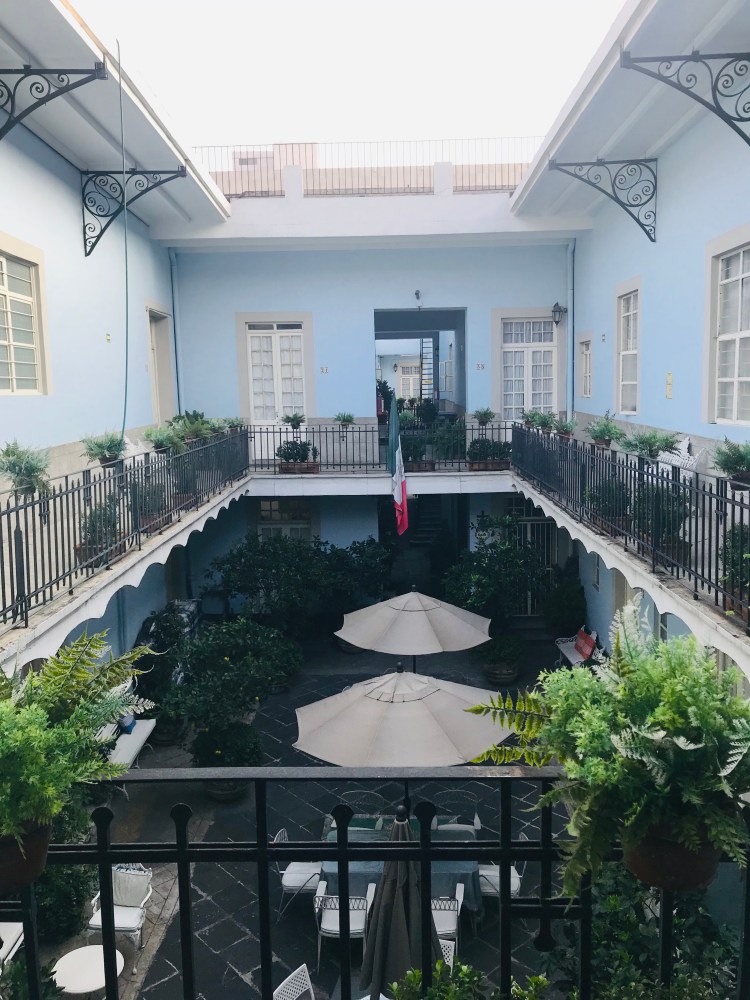
    Hotel Jardín del Centro Offering fine value, this pleasant, inviting little hotel has cozy, attractive rooms around a pretty plant-filled courtyard, plus a good little restaurant. The doubles with high ceilings at the front are atmosferiche. Staff are sweet and its location is conveniently close to the center.

    Where I am eating

    La Casa de los Milagros. Legend has it that Pancho Villa and his pals hung out in this atmospheric 110-year- old mansion featuring tiled floors, lots of snug little rooms and an airy covered court-yard. The menu is enormous and features typical Mexican dishes, all humorously renamed. There’s live music starting at 8pm.

    Durango | The desert

    Durango, capital of the eponymous desert state, is an immensely likable place, with an attractive, beautifully kept and laid-back city center and a friendly local populace. It is also one of Mexico’s most isolated cities: you have to travel hours through the desert or the Sierra Madre mountains from here before you hit another significant settlement. Yet isolation has fostered unique regional traits, such as the distinctive local cuisine and wry humor.

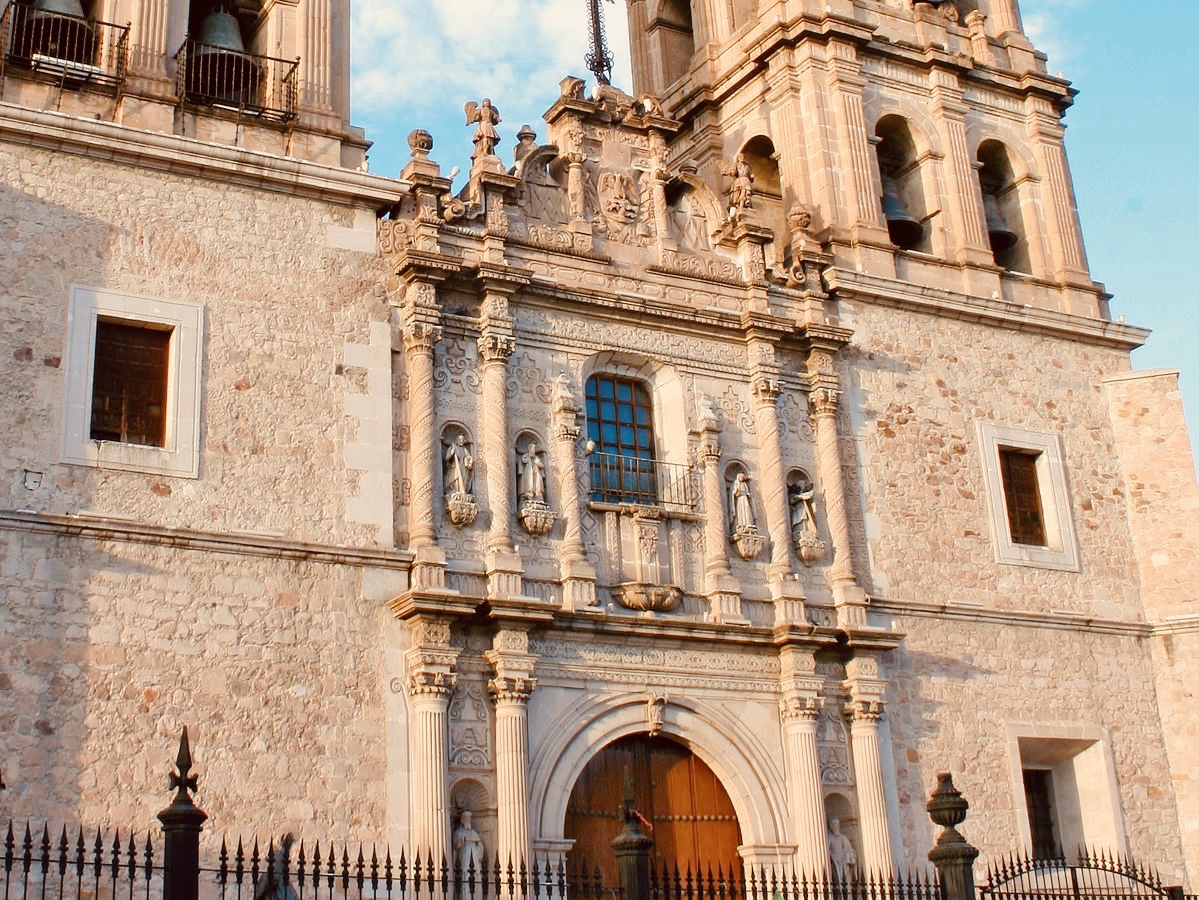
    Founded in 1563, Durango’s early impor- tance was due to nearby iron-ore deposits, along with gold and silver from the Sierra Madre. Today hundreds of maquiladoras (assembly plants) dominate the economy. For visitors, the city’s striking colonial center commands attention with over 70 historic buildings and several fascinating museums, while good accommodations and restaurants are plentiful.

    What I am doing

    • Visite the Museo Francisco Villa.Housed in a spectacular colonial mansion, this well-conceived museum pays deep homage to the Mexican revolutionary hero Pancho Villa.
    • See the Alacraneo, a blacklightlit tank with over 5000 scorpions.
    • Visit Paseo del Viejo Oeste Film location. Many of the big- screen cowboys have swaggered through this film set. Today the set is a souvenir-drenched.
    • Hiking a la Zona del Silencio

    Where I am Sleeping

    La casa de Bruno. An artsy, welcoming place, this down- town hostel has three dorms, all with tall bunks that have thick mattresses, cozy bedding and privacy curtains. Two tiny private rooms are set apart from the dorms, but follow suit in comfort. There’s a small common kitchen and coffee and pastries are offered each morning. A great place to meet other travelers and organise a tour at the Zo a del Silencio desert.

    Where I am eating

    Birriería Mendoza. An- tiques Roadshow meets colonial Mexico in this quirky restaurant. Here, birria (goat stew, typical of Jalisco) gets Duranguense twists by incorporating guajillo and pasil- la chilies or substituting lamb chops and ribs. Tables themselves are set in a colonial building decorated with loads of antiques like old radios, milk jugs and grandfather clocks. A memorable stop for my belly and eyes.

    Mexico City | Eye and tongue tacos

    Mexico City is, and has always been, the sun in the Mexican solar system. Though much-maligned in the past, these days the city is cleaning up its act. Revamped public spaces are springing back to life, the culinary scene is exploding and a cultural renaissance is flourishing. On top of all that, by largely managing to distance itself from the drug war, the nation’s capital remains a safe haven of sorts. Far from shak- ing off visitors, the earthquakes of 2017 revealed a young society who attracted admiration through their solidarity.

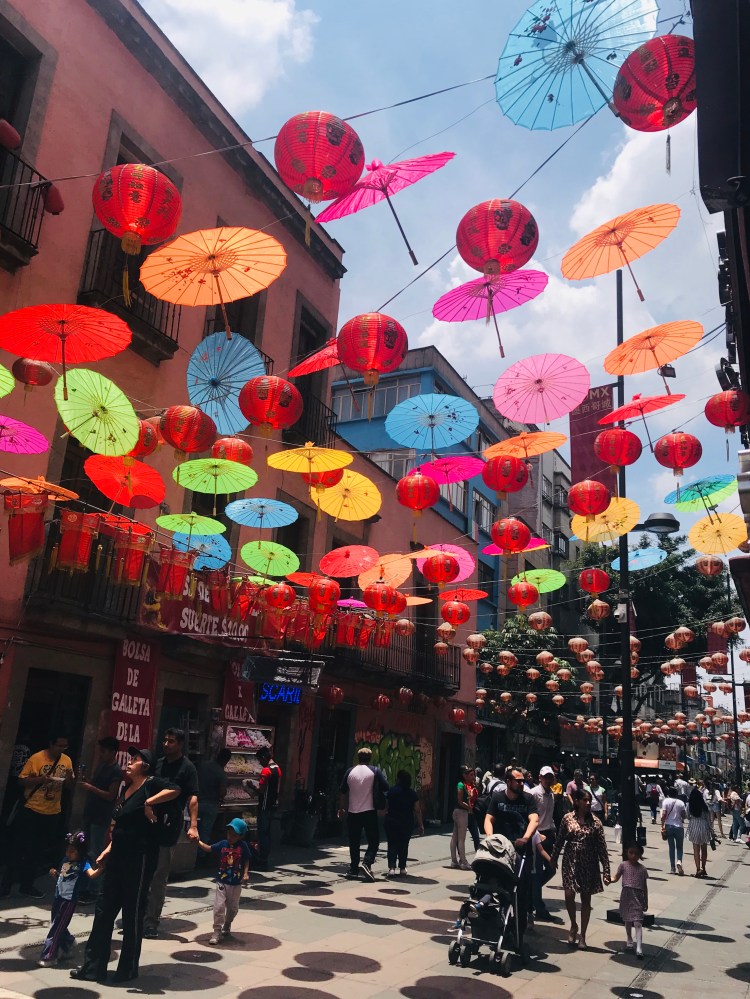
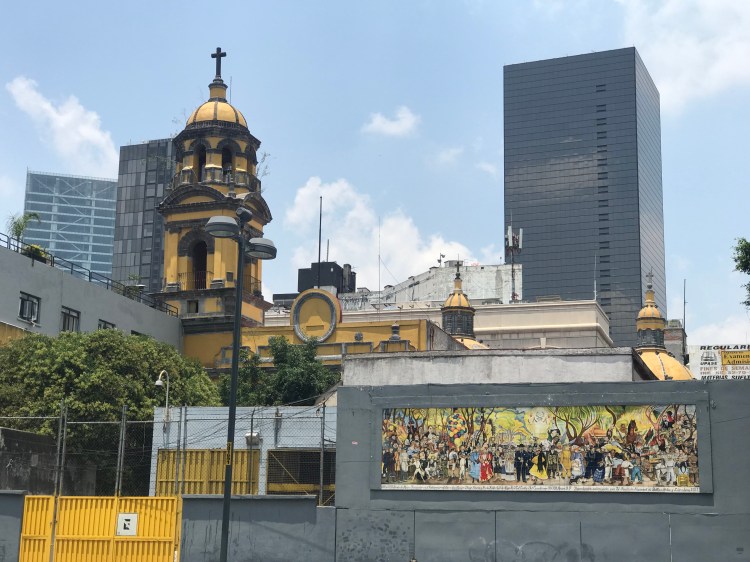
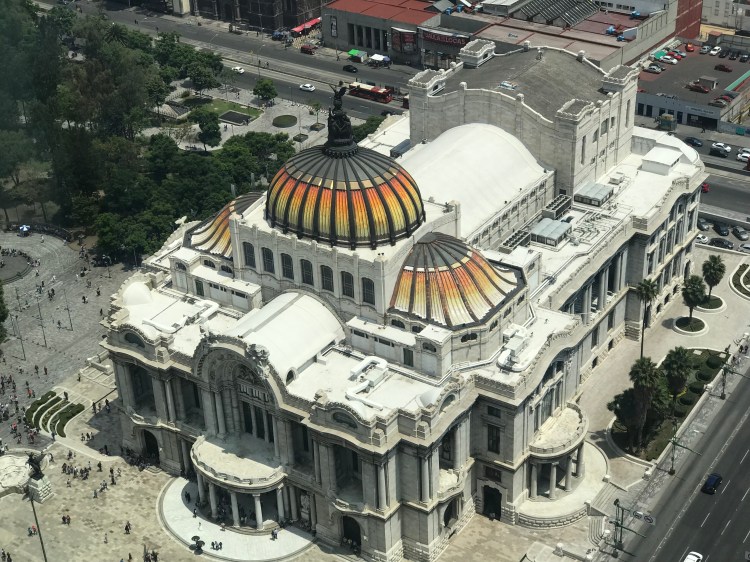
    A stroll through the buzzing downtown area reveals the capital’s storied history, from pre-Hispanic and colonial-era splendor to its contemporary edge. This high-octane meg- alopolis contains plenty of escape valves in the way of old- school cantinas, intriguing museums and inspired dining.

    What I am doing

    • Standing in the Zócalo once the centre of the Aztec universe..
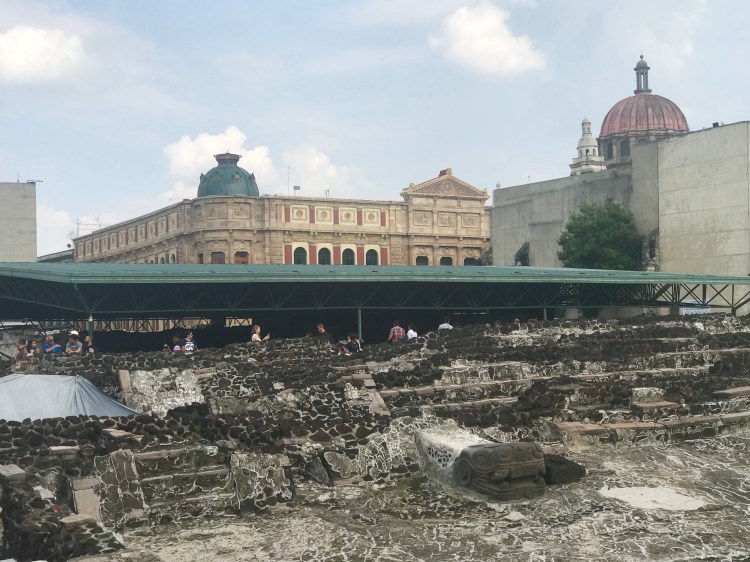
    • Explore the pre-Hispanic ruins at Templo Mayor.
    • Admire Diego Rivera’s cinematic murals at Palacio Nacional.
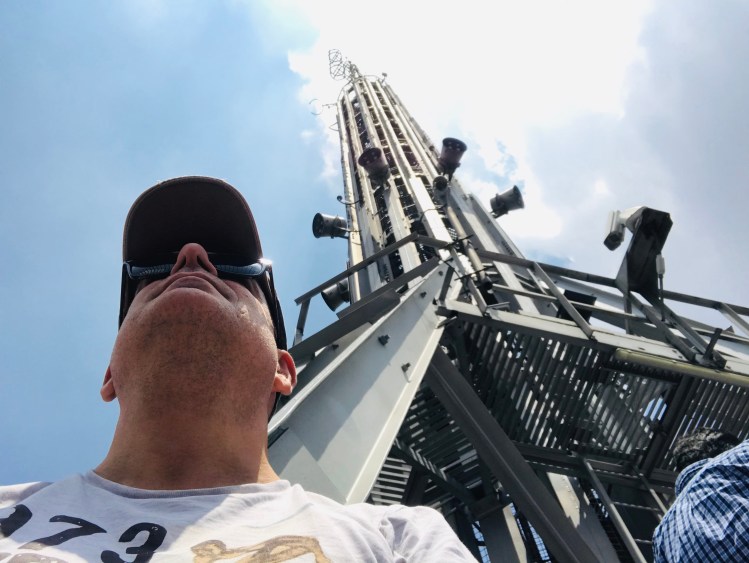
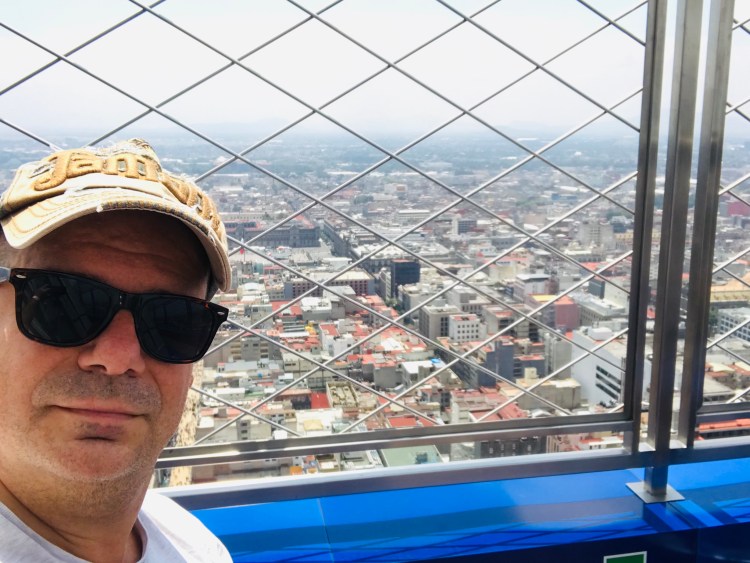
    • Reach the Torre Latinoamericana skyscraper. To get a feel for just how far Mexico City’s concave valley spans, take in the view from the observation deck.
    • Delve into Mexico’s past at Museo Nacional de Antropologia and Castillo de Chapultepec.
    • Come nightfall, do tequila shots over mariachi music at Plaza.
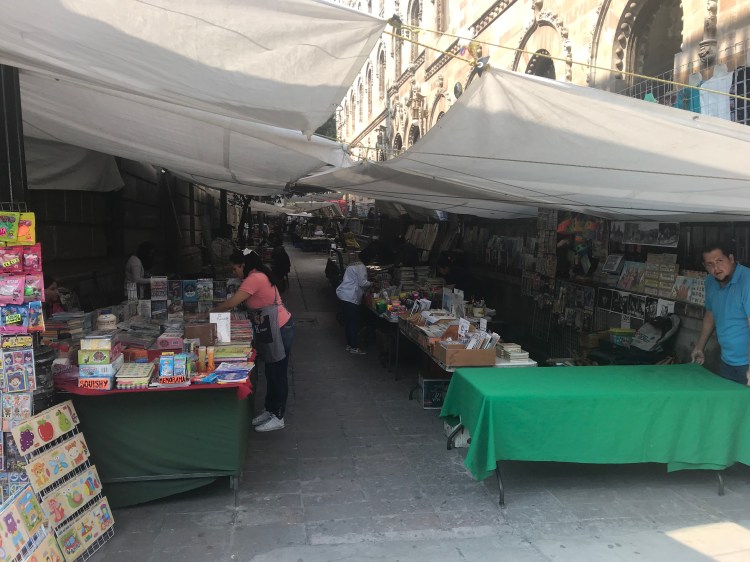
    • Shopping at La Ciudadela, a large crafts market with decent prices and great variety.
    • Drop by Tío Pepe one of the city’s oldest cantinas, for a beer or tequila.
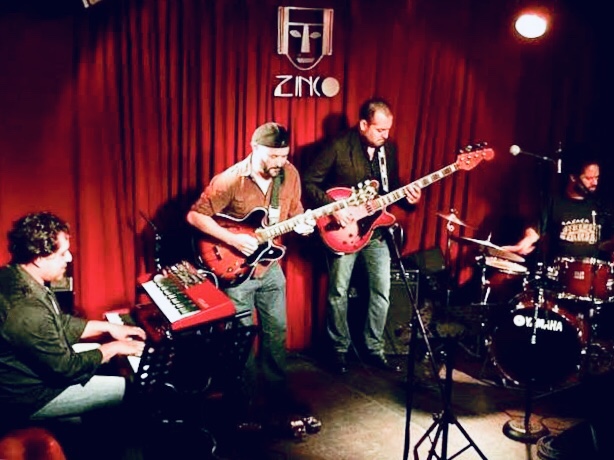
    • Listen jazz at the best in Mecico: the Zinco Jazz Club.
  • Where I am sleeping

  • Casa San Ildefonso. A 19th-century building that most recently served as a storage facility for street vendors has been transformed into a cheerful hostel off a pedestrian thor- oughfare. Unlike most downtown hostels, the high-ceiling dorms, private rooms and common areas here get wonderful sunlight. Guests have breakfast in a tranquil court-yard with a fountain, singing canaries and the gremlin-esque mascot Delfina. I have a tiny single room for M$330.

    Where I am eating

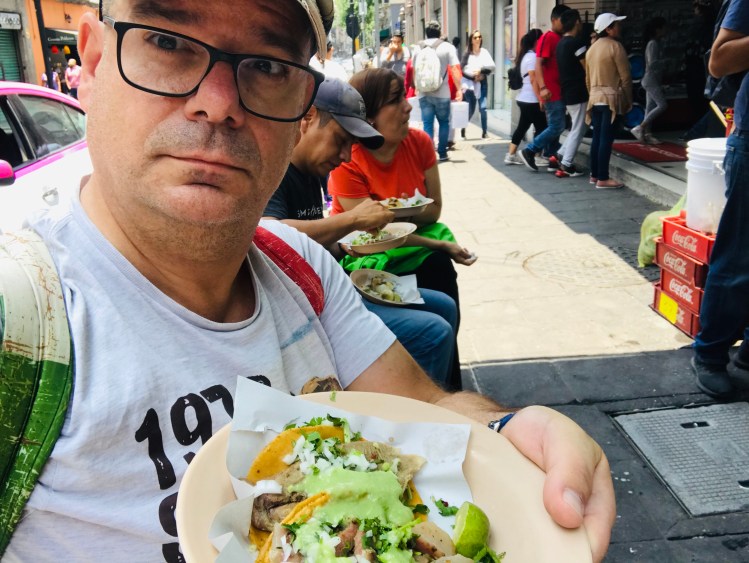
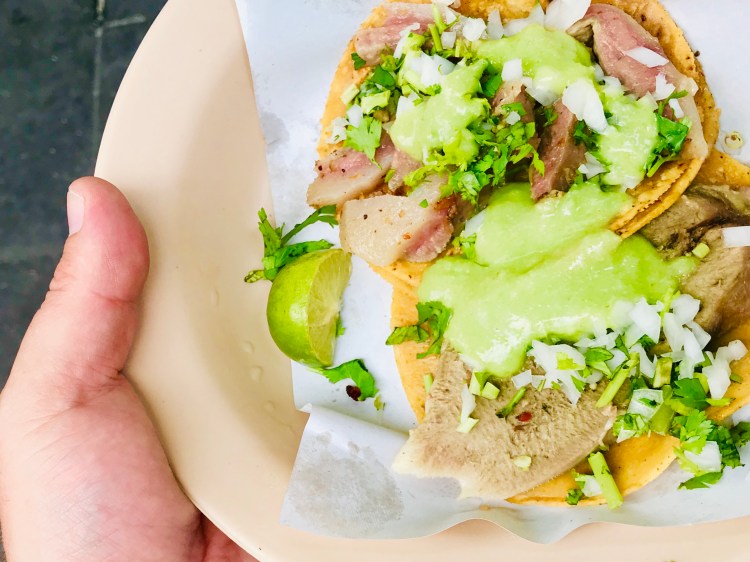
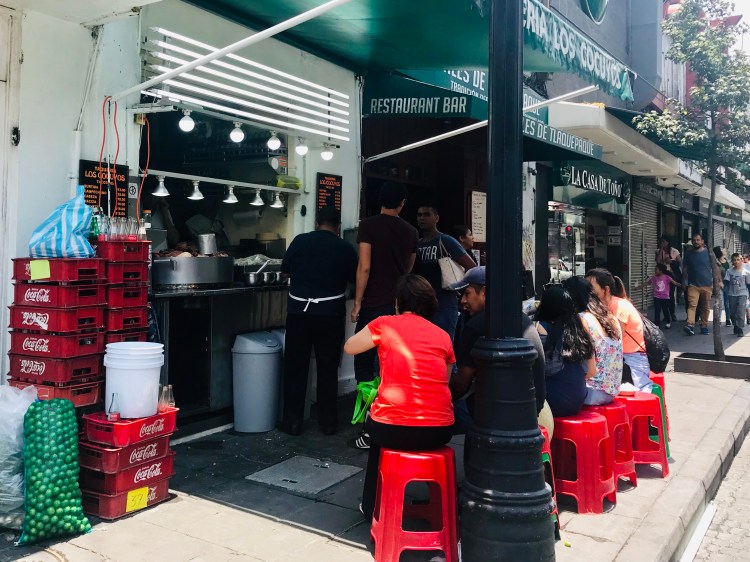
    Los Cocuyos. Suadero (beef ) tacos abound in the capital, but this place reigns supreme. Follow your nose to the bubbling vat of meats and go for the artery-choking campechano (mixed beef and sausage taco). For the more adventurous eater, there are ojo (eye) or lengua (tongue) tacos; for veg- etarians, there are nopales.

    Mercado San Camilito. This block-long building contains more than 70 kitchens preparing, among other items, Jalisco-style pozole (a broth brimming with hominy kernels and pork) served with garnishes such as radish and oregano – specify maciza (meat) if pig noses and ears fail to excite you.

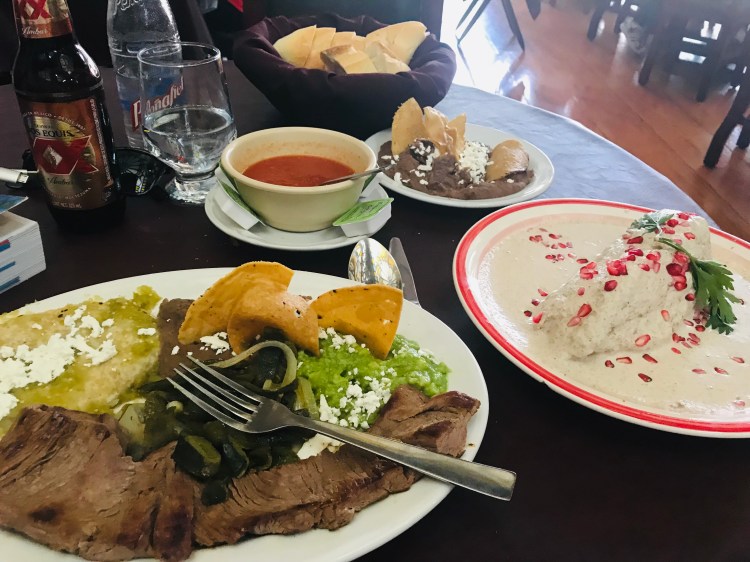
    Hostería de Santo Domingo. Whipping up classic Mexican fare since 1860, Mexico City’s oldest restaurant has a festive atmosphere, enhanced by live piano music. The menu offers numerous dishes, but everyone comes here for the chile en nogada (an enormous poblano chili pepper stuffed with ground meat, dried fruit and bathed in a creamy walnut sauce). Beware: rumor has it the building is haunted.

    Design a site like this with WordPress.com
    Get started