
Topolobampo | Dead Fishes

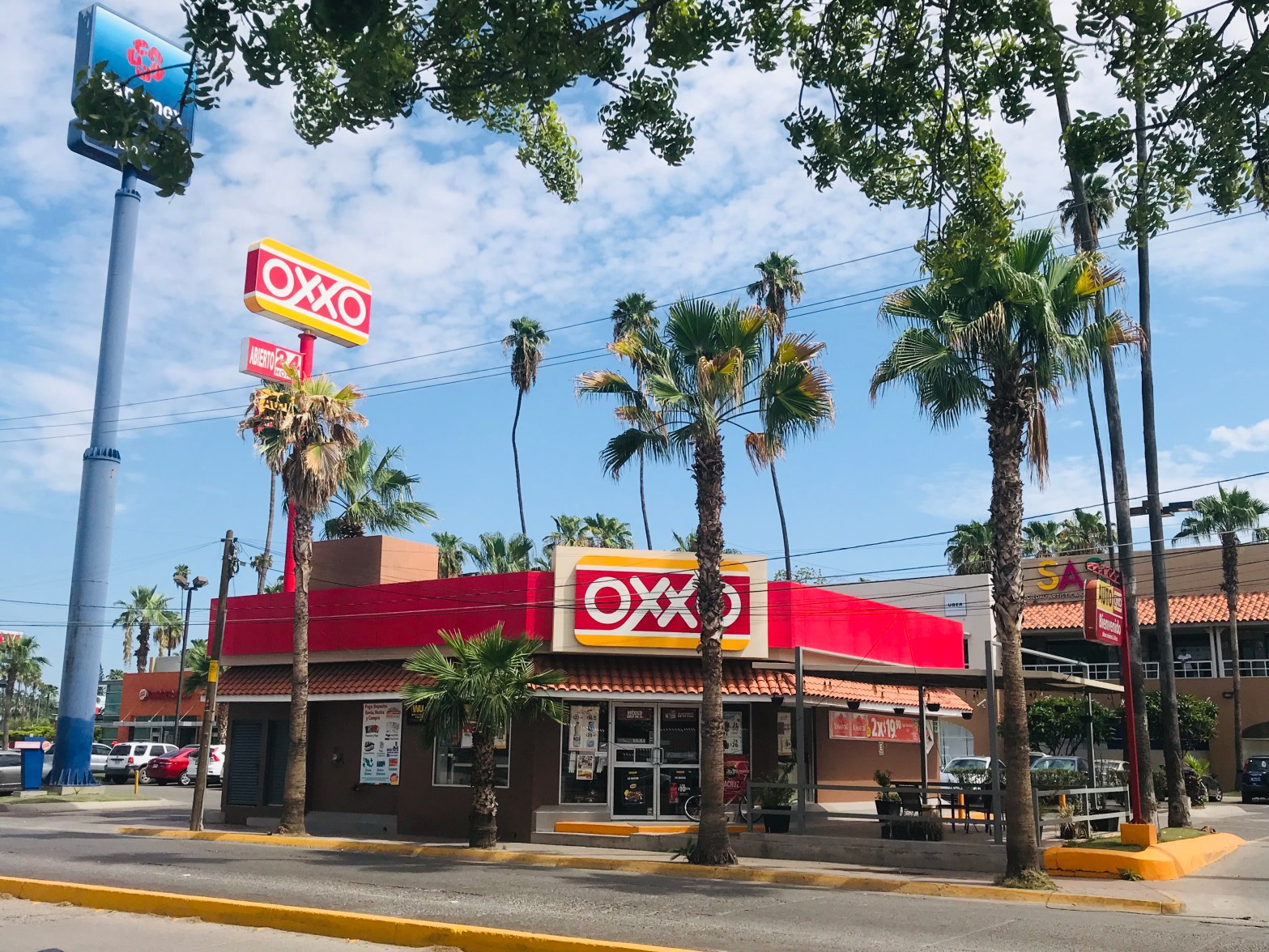
Topolobampo is a small port town in the Mexican State of Sinaloa. Boasting a deep water harbor, the town sits at the terminus of the El Chepe.

The economic importance of Topolobampo is dwarfed by its much larger neighboring city of Los Mochis, with a population of over 230,000 residents. Los Mochis is located in the “Valle del Fuerte,” a principal agricultural area of Mexico. The irrigated farms grow an abundance of crops, including sugar, cotton, rice, flowers and mangos.

The Topolobampo/Los Mochis region enjoys an arid, almost desert-like climate, with average summer temperatures in 40° C.

As you approach the small port of Topolobampo, you will see the wide strip of marshes stretching along the coast. With its hills, port and pretty offshore islands, Topolobampo sits in a setting that isn’t so dissimilar to a Mediterranean port in Southern France or a Greek island. In truth, the town itself is pretty grungy. After Pemex built an oil storage complex in the port, the shrimp population fell off, along with the jobs for fishermen. One commentator avers that “Topolobampo is like a Cinderella without a Fairy Godmother.”

Your ship will dock at the industrial pier in Topolobampo, and the day’s excursions will proceed from the pier. The estuaries on the Sea of Cortez provide another escape from Topolobampo, especially for birders. The marshes provide a resting spot for migrating bird species traveling from North America to South America.
Cabo San Lucas | Land’s end

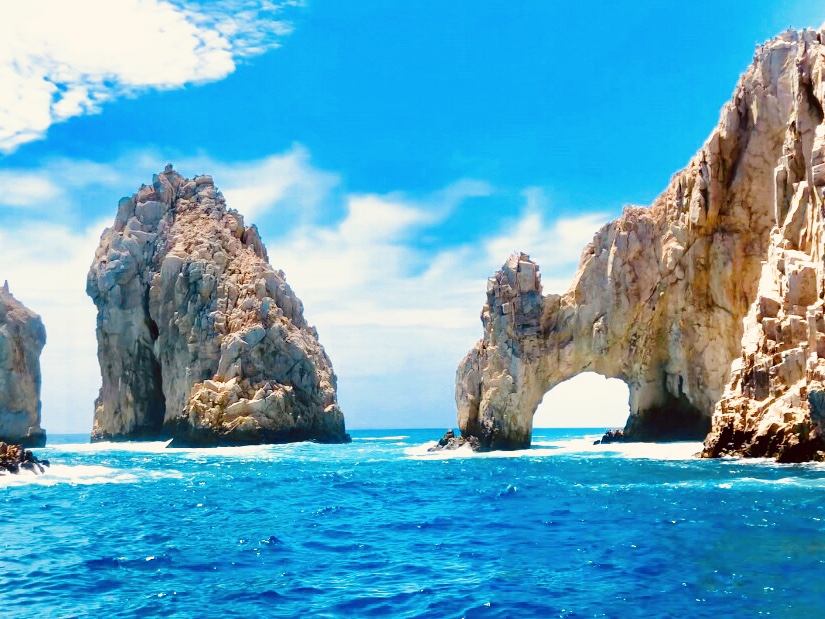
Cabo San Lucas’s white beaches, fecund wa- ters and spectacular arching stone cliffs at Land’s End have become the backdrop for Baja’s most raucous tourism. Where else do clubs round up conga lines so that waiters can pour tequila down dancers’ throats? The next morning you can be boating next to dolphins and spouting whales for a hang- over cure. The activities are endless: jet- skiing, banana-boating, parasailing, snor- keling, kitesurfing, diving and horseback- riding can all be found just by walking down to the beach. Outside city limits, you’ll be surrounded by majestic cardón cacti, caraca- ra birds and mystical arroyos (streams) that will impress you just as much as that crazy club you partied at the night before.

Unfortunately the desert is disappearing fast. The ‘Corridor,’ the once-spectacular coastline between San José del Cabo and Cabo San Lucas, is being built up with cook- ie-cutter resorts, American chain stores, aquifer-depleting golf courses and all- inclusive hotels.

Land’s End is the most impressive attraction in Cabo. Hop on a panga (skiff), kayak or stand-up paddleboard SUP) and head to El Arco (the Arch), a jagged natural feature that partially fills with the tide. Pelicans, sea lions, sea, sky – this is what brought people to Cabo in the first place, and it’s still magi- cal, despite the backdrop of cruise ships.

What I am doing

  • Kayaking
  • Sunbathing
  • Snorkelling

Where am sleeping

Cabo Inn Hotel. This place is in town, but the palapa roof, color- ful decor and plant-filled courtyard make you feel like you’re in nature. It’s close to tonnes of restaurants and shops, but about 15 minutes’ walk to the beach. Add a communal kitchen, rooftop hangout area and pool and you have one of the best deals in Cabo San Lucas.

Where I am eating

Mariscos Las Tres Islas. A lively thatched restaurant in the middle of town, swarming with locals who come for the best, classic Mexican seafood in the area. Prices are reasonable, the beers are cold and the marisco band has talent. Try the shrimp scampi or the garlic octopus.

La Paz| Sea lions area

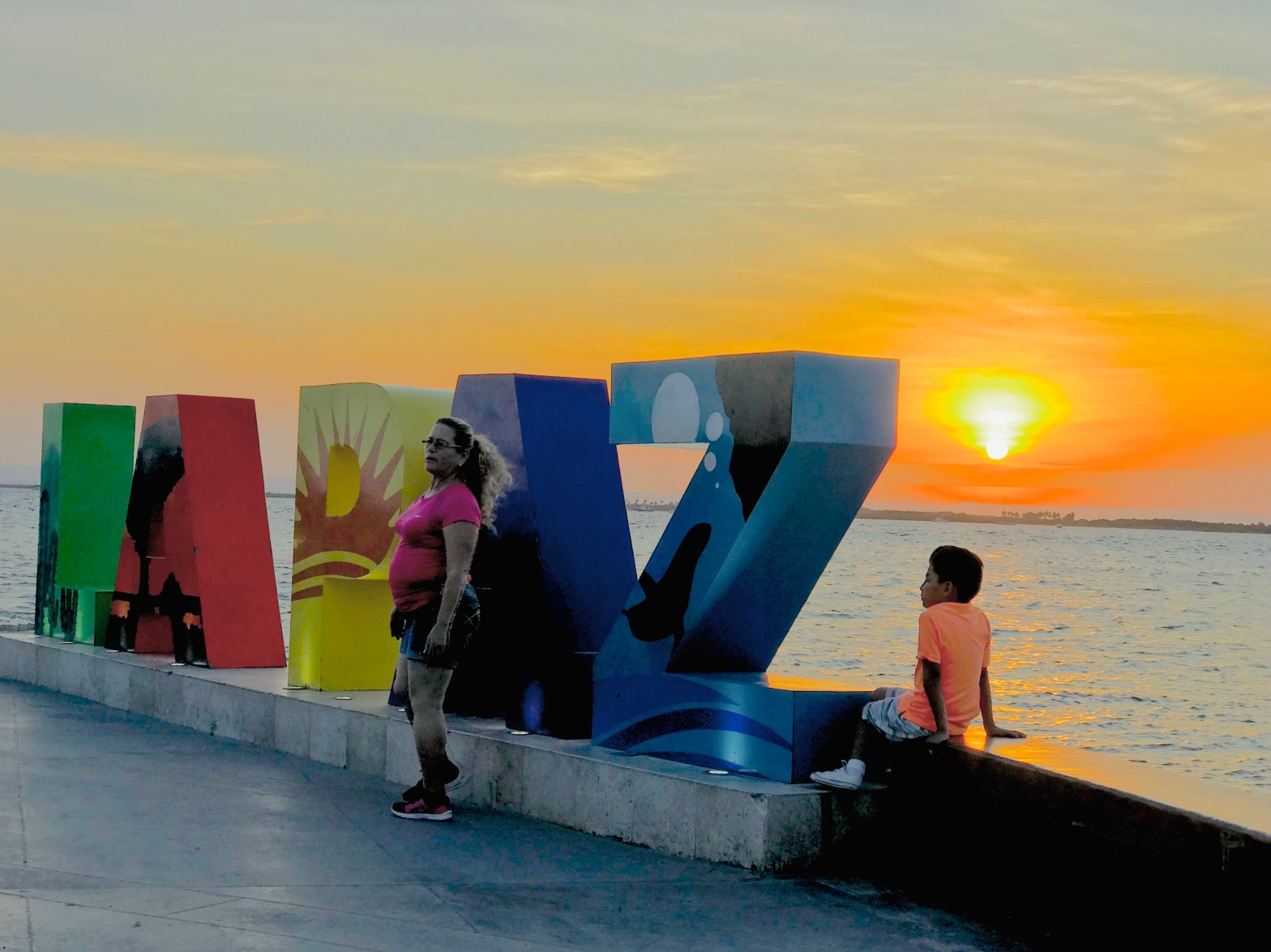
At first glance La Paz is a sprawling, slight- ly dingy city, but after an hour or so you’ll discover there’s a lot more to it. Laid-back, old-world beauty can be found on a stroll along the waterfront malecón or in the older architecture around the Plaza Constitución; chichi restaurants, cafes and bars cunningly hide in between the cracks. It’s a surprisingly international town – you’re as likely to hear French, Portuguese or Italian here as English or Spanish, and yet paradoxically it’s the most ‘Mexican’ city in all of Baja. Its quirky history includes American occupation and even be- ing temporarily declared its own republic.

All in all, it’s a great place to meander, and you can shop uninterrupted by touts’ invita- tions as you blend in to the urban vibe. The city makes a good base for day trips to Es- píritu Santo, Cabo Pulmo and Todos Santos.

The Espíritu Santo ISLaND Infrint if La Psx is a treasure trove of shallow azure inlets and sorbet-pink cliffs, Espíritu Santo is one of La Paz’s gems. It’s part of a Unesco World Herit- age site comprising 244 Sea of Cortez islands and coastal areas, and is a worthy day trip. A number of operators run activities here, including kayaking and snorkeling.

What I am going

  • Tour Espiritu Santo

  • Kayaking
  • Lobsters dinners

Where I am sleeping

Pension Baja Paradise. Spotless, with comfy modern beds, reliably hot showers and cold air-conditioning plus touches of art and driftwood all around, this Mexi- can-Japanese-run place is a lovely place to stay. There’s a kitchen and a coin laundry for guest use and it’s near lots of great places to eat. The only downfall is the loud music from a local bar some nights, so bring earplugs!

Where I am eating

Organic Market. This small or- ganic market is fun for a browse around and sells all kinds of locally produced gourmet goodies, as well as local cheeses, homemade cakes and bread.

Taco Fish La Paz. Largely undiscovered by tourists, locals have been coming here in droves since 1992. Ex- pect pristine stainless-steel surfaces and the best fish tacos in town. The extra battered, crispy fish style is reminiscent of an out- standing British fish and chips. The ceviche is off the charts as well.

Bismarkcito. This seafront restaurant, fronted by its own taco stand, is always packed with locals here for the superb sea- food. Consider ordering the lobster chow- der. TVs, exposed brick walls and jaunty blue-and-white table linen decorate the huge dining room. Service can be slow, but who’s in a hurry?

Los Mochis | Nothing to do

There is nothing much to detain you in Los Mochis, a giant urban sprawl mainly notable for being my last stop of the El Chepe and within an easy hop of ferries that link the mainland to Baja California. The climate here is perpetually humid and there are no real sights worth stopping for. However, because I am venturing to Baja California by boat or I well find myself staying overnight, and I find decent eating and sleeping options available, including what is said to be northern Mexico’s best seafood.

What I am doing

  • Visit Jardín Botánico Benjamin Francis Johnston
  • Swing a la isls El Farallón

Where I am sleeping

Hotel Fénix. This is the best moderately priced hotel in town, with welcoming staff, a sparkling lobby, an excellent restaurant and renovated rooms that rep- resent good value. Accommodations can be on the small side, and some lack natural light, but as an overnight stop it’s a great choice.

Where I am eating

El Farallón. A furiously air-conditioned, swanky seafood restaurant with a farranging selection of dishes: stick to the tried-and-tested Mexican and Sin- aloan dishes (rather than fusion-style sushi rolls and the like) and you won’t go wrong. The ceviche (seafood marinated in lemon or lime juice, garlic and seasonings) and pes- cado a la plancha (grilled fish) are particularly recommended.

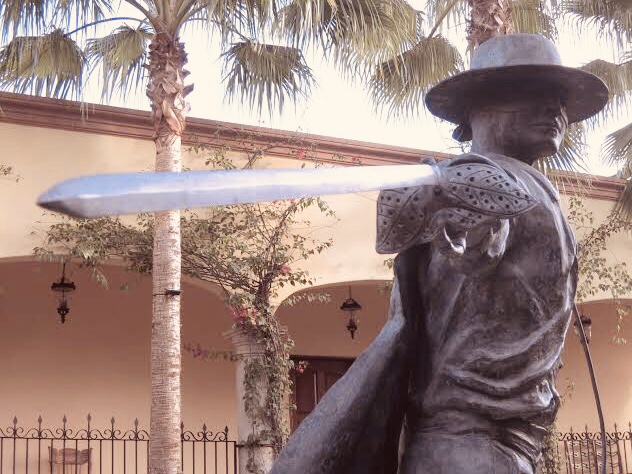
El Fuerte | Zorro’s town

Clustered around a striking plaza and with a center packed full of brightly painted colonial houses, El Fuerte oozes historic character. For many centuries the most important commercial center in north- western Mexico due to its proximity to the silver mines in the canyons, this is now a picturesque little town surrounded by one of Latin America’s last-standing dry tropi- cal forests.

Far preferable to Los Mochis as a place to start or end a trip on the Ferrocarril Chihuahua Pacífico, it’s worth a stay of more than just a night to take a trip on the Río Fuerte and explore the unique sub- tropical countryside.

El Fuerte was founded in 1564, and is named for a 17th-century fort built on its distinctive high point of Cerro de las Pilas to protect settlers from indigenous attacks.

What I am doing

  • Visit Bosque Secreto
  • Kayaking Río Fuerte
  • Boat trips along the river, taking in some 2000-year-old petroglyph

Where I am sleeping

Posada del Hidalgo. This highly atmospheric hotel inside a rusty red coloni- al hacienda offers bundles of classic charm with spacious, elegant rooms grouped around shady garden courtyards and jaw-dropping public areas. There’s a beautiful open-air restaurant, a pool, a massage room and a popular bar for socializing. Hummingbirds join guests for breakfast.

Where I am eating

El Mesón del General. A traditional, formal restau- rant that specializes in fish and seafood, with several styles of pulpo (octopus) and combo plates of various river delicacies. You’ll find it on El Fuerte’s main drag, an oasis from the bustle of the nearby market.

Design a site like this with WordPress.com
Get started