
Northern Mexico (el Norte de México), commonly referred as El Norte, is an informal term for the northern cultural and geographical area in Mexico. Most people consider that the north starts above the Tropic of Cancer, it contains some or all of the states of Baja California, Baja California Sur, Zacatecas, Chihuahua, Coahuila, Durango, Nuevo León, Sinaloa, Sonora and Tamaulipas.
Off the tourist radar, and with an affable frontier feel, this region offers some of Mexico’s most important historic sights across a triptych of colonial cities (Chihuahua, Parral and Durango). The landscape itself is typified by the Desierto Chihuahuense (Chihuahuan Desert), which covers most of Chihuahua, Mexico’s largest state – and while it rises in the west into the folds of the Sierra Madre Occidental, you’ll be forgiven for thinking you’ve wandered into a B-grade western (Durango, incidentally, is where many famous westerns were filmed).
Tourism, unfortunately, has been ravaged by drug-gang violence, so better don’t venture off the beaten track without a guide or go out by night. The ‘Golden Triangle’ – where Chihuahua, Durango and Sinaloa converge – is noted for its opium production and particularly high levels of violence. While there is some danger of being caught in the wrong place at the wrong time, tourists are not generally targeted. Finger crossed!
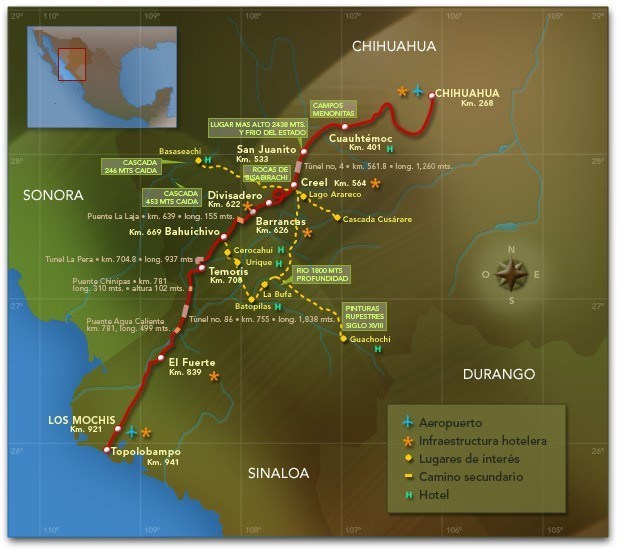
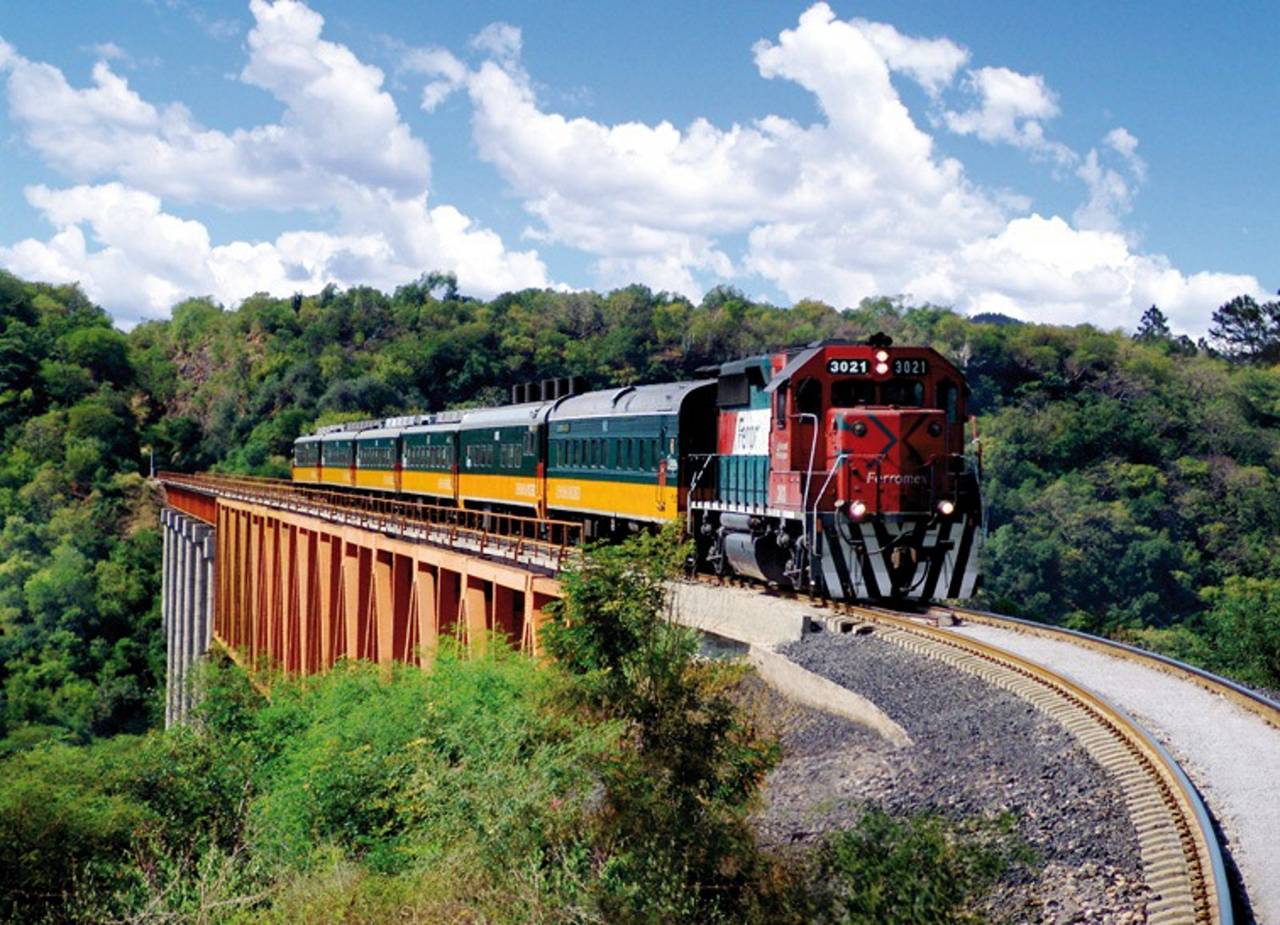
The Copper Canyon Railroad, also known as the Ferrocarril Barrancas del Cobre, the Ferrocarril Chihuahua-Pacifíco and El Chepe, is a major rail line in northwest Mexico, linking the Chihuahua City, to the Los Mochis and its port, Topolobampo.
The train runs 673 km, traversing the Copper Canyon, a rugged series of canyons that have led some to call this the most scenic railroad trip on the continent.
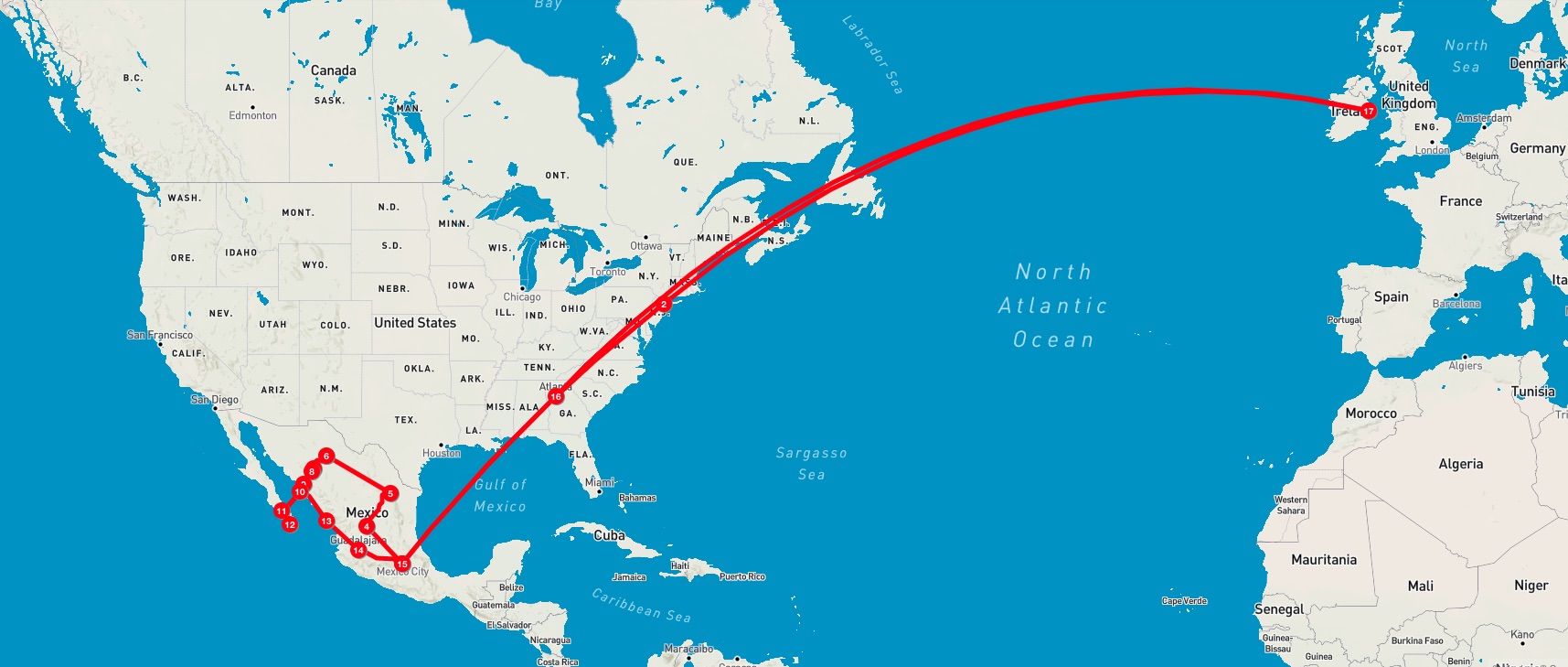
This travel blog is about my solo travelling trip in Northern Mexico including the week along the El Chepe railway.
Here my itinerary: https://www.tripline.net/trip/El_Chepe_and_North_Mexico-32723231637010158B4A83498104C1F6
 El Chepe